
Sustainability Reporting Isn’t Going Away


What’s in this week’s newsletter:
Despite regulatory rollbacks, companies continue to see value in sustainability reporting
Energy prices soar due to the war, forcing a rethink of energy sources
Emissions Trading under pressure as Europe's energy costs rise
Billion-dollar climate-related disasters are happening more frequently than ever
Point One initiative aims to fund renewables with 0.1% of companies’ revenue
A theme to this year’s newsletter is well framed by Mark Twain’s famous quote “The reports of my death have been greatly exaggerated.” After an unprecedented onslaught of regulatory rollbacks and the outright attacks on sustainability, these programs appear surprisingly resilient.
Case in point is sustainability reporting: With the US Securities and Exchange Commission (SEC) dropping its climate reporting rule and the Europeans softening their sustainability reporting regulations under the Omnibus, most would think that sustainability reporting would be in full retreat - but that's not what is happening.
Europe’s Sustainability Reporting Standards (ESRS) and the Corporate Sustainability Reporting Directive (CSRD) were significantly weakened, meaning about 90% fewer companies are in scope and the remaining companies have more time and fewer data points to cover. However, two new reports show that companies are going forward regardless of the regulatory rollbacks:
This surprising result can be explained by a new PWC survey showing that 70% of companies believe reporting gives additional benefits beyond compliance. This value proposition is further bolstered by the somewhat quiet spread of new ESG reporting mandates in other jurisdictions across the world.
A growing number of countries (39), representing 57% of global GDP, require climate disclosure based on the standards issued by the International Sustainability Standards Board (ISSB). As we recently reported, California’s climate reporting rules are moving forward, requiring 4,000+ companies doing business in the state to disclose climate emissions and risks.
Europeans are now wondering whether their backtracking went too far. The Platform on Sustainable Finance (PSF), an advisory body to the European Commission, suggested that the cuts put European companies below the global baseline for sustainability reporting - saying the rollbacks “risk positioning the ESRS below the global baseline. Requirements must meet - and where appropriate exceed - international ambition.”
For companies, the underlying pressures to report have not changed: investors and other stakeholders want consistent, high-quality, decision-useful information on ESG - especially climate. Companies are well aware of these needs, and many are also subject to reporting mandates in multiple countries where they do business. Taken together, these factors lead companies to continue to invest in their sustainability reporting programs.
Adding to the resilience of sustainability reporting, new AI-enabled tools are automating data collection and disclosure. The Osapiens report (above) found that 89% expect to increase investment in reporting technology and automation over the next 12 months. And another survey from EY found that the majority of financial institutions (70%) plan to use AI in their sustainability reporting in the near future.
2. Energy Shock Re-think

As we shared last week, the Iran war has resulted in an environmental disaster in the region as well as a global energy shock. This week, as oil prices continue to climb, some nations are being forced to cut back on energy, and businesses are rethinking their supply chains.
Sri Lanka mandated an energy holiday every Wednesday for public workers; Myanmar is limiting the use of private vehicles; and the Philippines has switched to a four-day work week. In the first three weeks of the war, average US gasoline prices are up nearly 30%, and airfares are climbing too.
State Street CEO Ron O’Hanley, speaking at a Sustainable Markets Initiative event, called it another “Covid moment,” adding that “no one is going to leave themselves exposed like that again.” Also speaking at the event, Saker Nusseibeh of asset manager Federated Hermes, said companies had no choice but to “think about alternative sources now.” And in another interview, former US climate envoy John Kerry said: “Very quickly it will dawn on people that in order to have more energy now in the short term, renewables are going to be the fastest and most economical [source].”
3. Europe Emissions Trading Under Scrutiny

European Commission President Ursula von der Leyen
In the face of the mounting energy costs due to the Iran war, Europe is considering releasing more emissions credits under its emissions trading system (ETS). In a recent letter ahead of a Brussels energy meeting, European Commission President Ursula von der Leyen proposed to release free emissions permits to help "keep prices in check in the short term,” and will reconsider the planned tightening of permit supply over time.
This does not go as far as some member states want. Italy and Germany have attacked the ETS, claiming it increases energy costs, and have called for its suspension. On the other end of the spectrum, Spain, the Nordics, and Portugal signed a letter in support of maintaining the ETS as it is.
Spain’s energy minister Sara Aagesen Muñoz said, “This crisis to change a system that works is irresponsible and a big error,” adding that the “ETS needs to last and we can’t ignore the lessons learned [from] the war in Ukraine.”
4. Climate Risks Accelerate
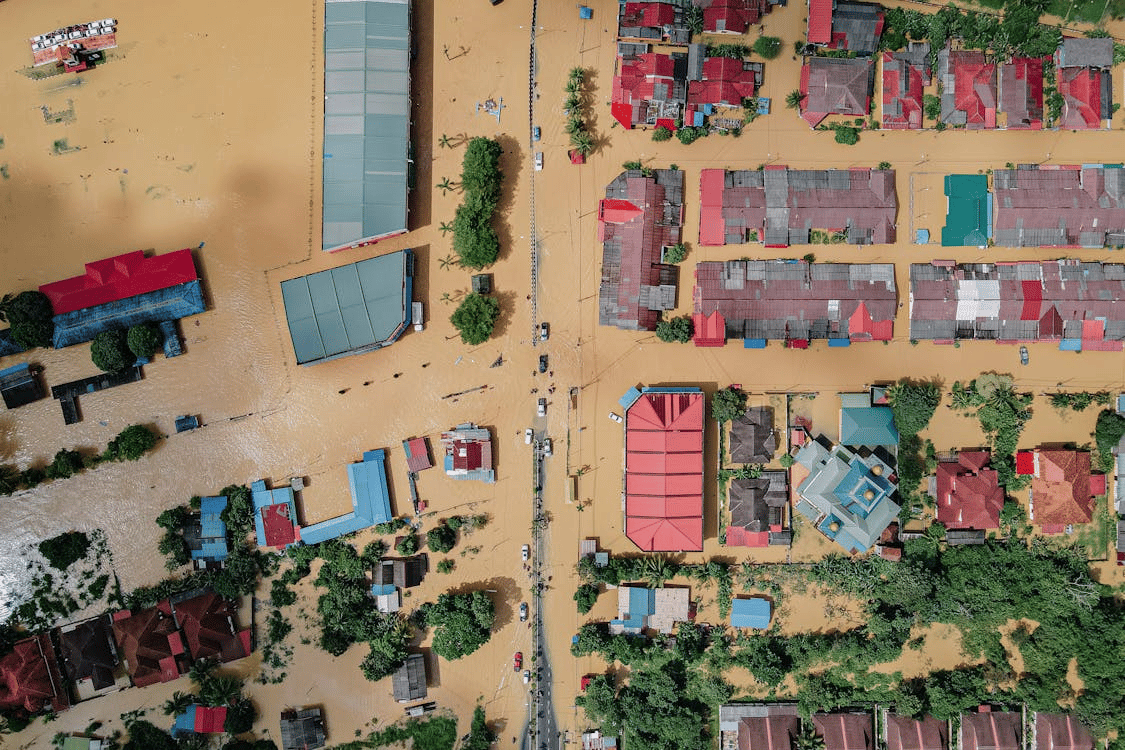
A new report this week from Climate Central revealed that 2025 recorded the third-highest (23) individual damage events exceeding a billion dollars. 2025 was topped only by 2024 and 2023 - making the last three years the most disaster-filled on record. The data show that, on average, there were 16 days between weather-related disasters costing $1 billion or more, compared with 82 days in the 1980s. With scientists agreeing that a warming Super El Niño could be approaching, 2026 is likely to be one of the hottest years ever - meaning we can expect more of these billion-dollar disasters this year.
(Climate Central is the NGO that took over the U.S. National Oceanic and Atmospheric Administration (NOAA) database tracking U.S. weather and climate disasters after the Trump Administration shut it down).
5. Point One Initiative to Bolster Renewables

You’ve probably heard of 1% for the Planet, the group that provides 1% of the revenue from companies that sign up to environmental charities. A new initiative with a similar method aims to help finance renewable energy in emerging economies by asking companies to donate 0.1% of their revenue. Point One initially commits 30 companies to providing 0.1% of their revenue to renewable sources with the goal of raising $200 million by 2030. One of the leaders of the group, Ryan Kohn, co-founder of food brand Proper Snacks, said, "It's a simple message to be able to tell, and our line is 'Almost Nothing Changes Everything."
The views expressed on this website/weblog are mine alone and do not necessarily reflect the views of my employer.
Other Notable News:
Net Zero Asset Owners
Trump 2.0
ESG
Energy Transition
Notable Podcasts:
In this week’s episode of the Outrage and Optimism podcast, the hosts take on some of the most challenging questions in climate change. Providing answers to questions around water stress and biodiversity loss to geoengineering, public understanding, and the language of urgency itself.
This week’s episode of The Climate Rising podcast is all about regenerative agriculture and the carbon markets. It features an interview with Simon Haldrup, founder and CEO of Agreena, who discusses how regenerative agriculture can scale beyond early adopters by focusing on farmer economics, data-driven decision-making, and flexible practice “toolboxes” rather than rigid labels.