
GHG Protocol Announces Inaugural CEO



What’s in this week’s newsletter:
GHG Protocol names its inaugural CEO
Investors ramp up pressure on BP and UK banks
EFRAG sets out 2026 reporting priorities
Countries convene for first fossil fuel phase-out meeting
EV adoption approaches a global tipping point
In all my five years of writing this newsletter, I never thought I would be both writer and subject, but here we are. On Tuesday, it was announced that I would become the inaugural CEO of the Greenhouse Gas Protocol (GHGP).
Across more than 250 editions of this newsletter, the evolution of standards, climate reporting, and corporate emissions has been a constant thread. So, it is a bit of a full-circle moment to break the fourth wall by being in the news this week.
I'm using this edition to share my thoughts beyond what I shared in this post, as well as some news from the WSJ, Trellis, and others regarding my appointment.
All the articles written about the new role allude to the magnitude of the moment we are heading into in carbon accounting standards. There are several long-awaited standards, along with a new partnership with ISO.
Considering all of this, as Geraldine Matchett, Chair of the GHG Protocol Steering Committee, said, “The scale of our work and the pace of change across the reporting landscape bring with them a growing need for a dedicated CEO role and will enable the organization to meet rising expectations while sustaining the integrity and independence of its standards.”
I made this choice the same way I have made all my career decisions – by focusing on how I could contribute most to improving our planet. While standards can be very technical, they establish one set of rules for the entire world. And, the Greenhouse Gas Protocol standards create a global common language to enable decarbonization.
The GHGP is the foundation of humanity’s fight against climate change. It has served in this critical role for decades and is a largely unsung hero behind countless environmental benefits.
With 97% of the S&P 500 companies using the standards to measure emissions, and governments around the world increasingly requiring their use, the picture becomes very clear: this work enables our fight against climate change – the existential threat of our time.
While I love my job at BCG, when it comes to impact, leading the Greenhouse Gas Protocol is a once in a generation opportunity. I am so grateful to my colleagues at BCG and my new colleagues at GHGP. This job will have many challenges, but I am eager and excited to get started.
A big thank you to all of the well-wishers who have sent their support. There are too many to mention here, but I thank you all for your kind messages. I hope to fulfill the incredibly important mission of both the GHG Protocol and the wider climate movement as we move into a critical time for action.
2. Investors Pile on the Pressure
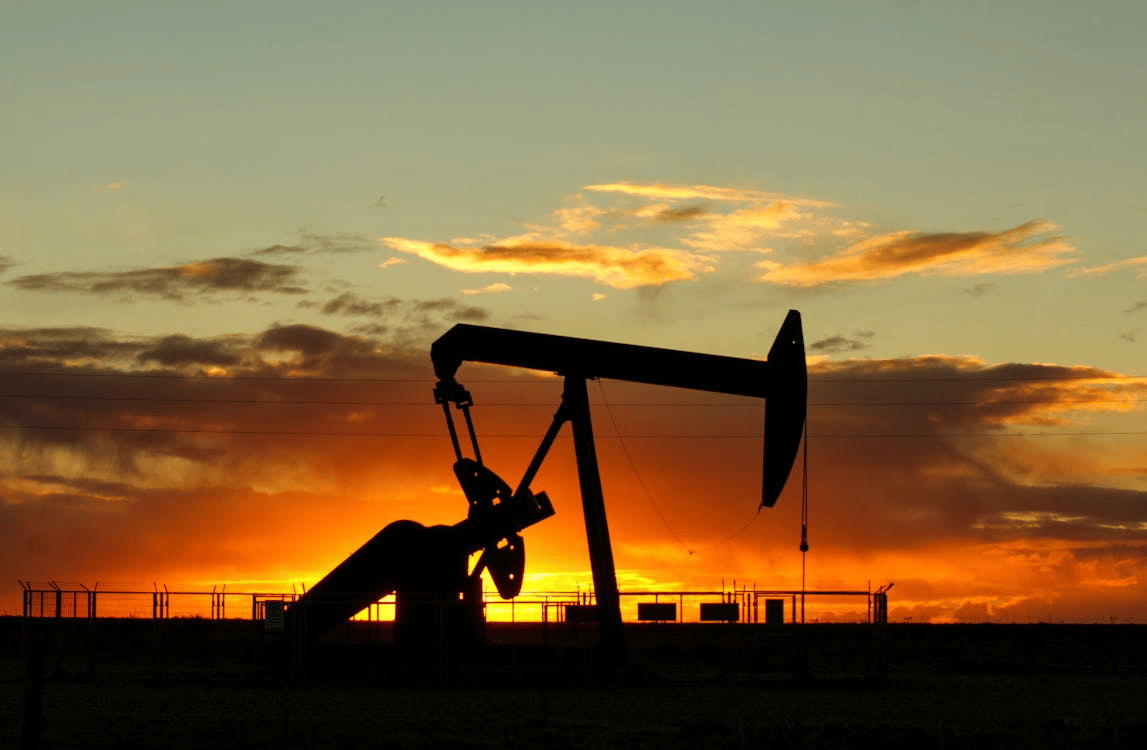
This week, investors piled on the pressure on some of the UK’s largest banks, and activist investors scored a win on the UK’s largest oil and gas company, BP.
In a week when BP was the target of a new windfall tax in the UK after benefiting from record profits from the Iran War, the oil and gas giant also suffered defeats on proposals to reduce its climate reporting at its annual general meeting. The proposal was to overturn a previous resolution on climate reporting because it is now covered by mandatory reporting. It only gained the support of 47 percent of voting investors, far below the 75 percent threshold required for the proposals to pass.
BP also came under fire for blocking a resolution from activist shareholder group ‘Follow This.’ The group asked BP to explain how they plan to manage a world shifting away from fossil fuels. Follow This founder Mark van Baal said the group’s question is simple: “How does BP plan to create value for shareholders as oil and gas demand declines?” adding that “BP would rather antagonize its shareholders than answer it.”
UK investors also pressured the country’s biggest banks by voting against the reappointment of key figures, after many of them scaled back their climate commitments in their lending practices. The votes, coordinated by ShareAction, led to reduced support for the chairs of NatWest and HSBC, following decisions by both banks to expand oil and gas financing.
3. EFRAG Sets Out Sustainability Reporting Priorities
Under the leadership of the newly appointed Sustainability Reporting Board Chair, Kerstin Lopatta, who takes over today, the European Financial Reporting Advisory Group (EFRAG) released its sustainability reporting priorities for 2026. The priorities center around:
Development of sustainability reporting standards for non-EU companies, with a draft released by July 10th.
Providing implementation support, especially for smaller companies.
Advancing interoperability with international standards to reduce fragmentation.
Improving digitization through XBRL taxonomy updates and the ESRS Knowledge Hub.
You can find the full EFRAG 2026 Work Program here.
4. First Phase Out of Fossil Fuels Meeting
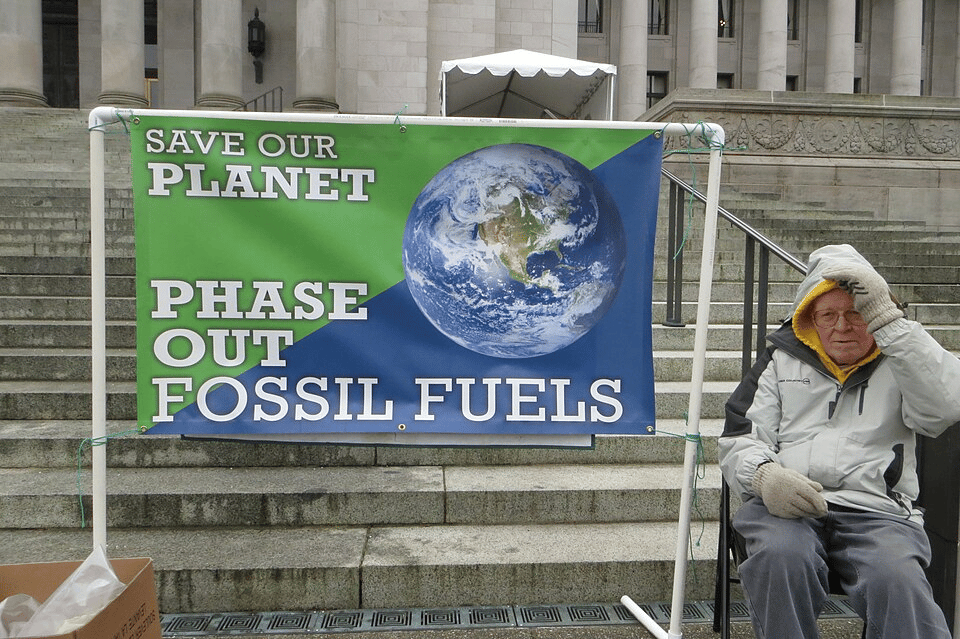
In Santa Marta, Colombia, this week, delegates from 60 countries, along with NGOs and other stakeholders, met for the first global meeting on phasing out fossil fuels - the US was not invited.
The group, established at COP30 last year, and co-hosted by the Netherlands and Columbia managed to reach significant agreements on fossil-fuel reducing trade measures. They also reached agreements on transparency for fossil fuel subsidies and financial reforms that help countries break away from fossil fuel-based economies.
Stientje van Veldhoven-van der Meer, the Dutch minister of climate and green growth, said “I hope that we can really establish this coalition of the willing, those who, whether they want to move fast or slow, do feel the need to get started.” Whereas a White House spokesperson said, “The United States will not participate in the bogus climate agenda.”
5. EV Tipping Point
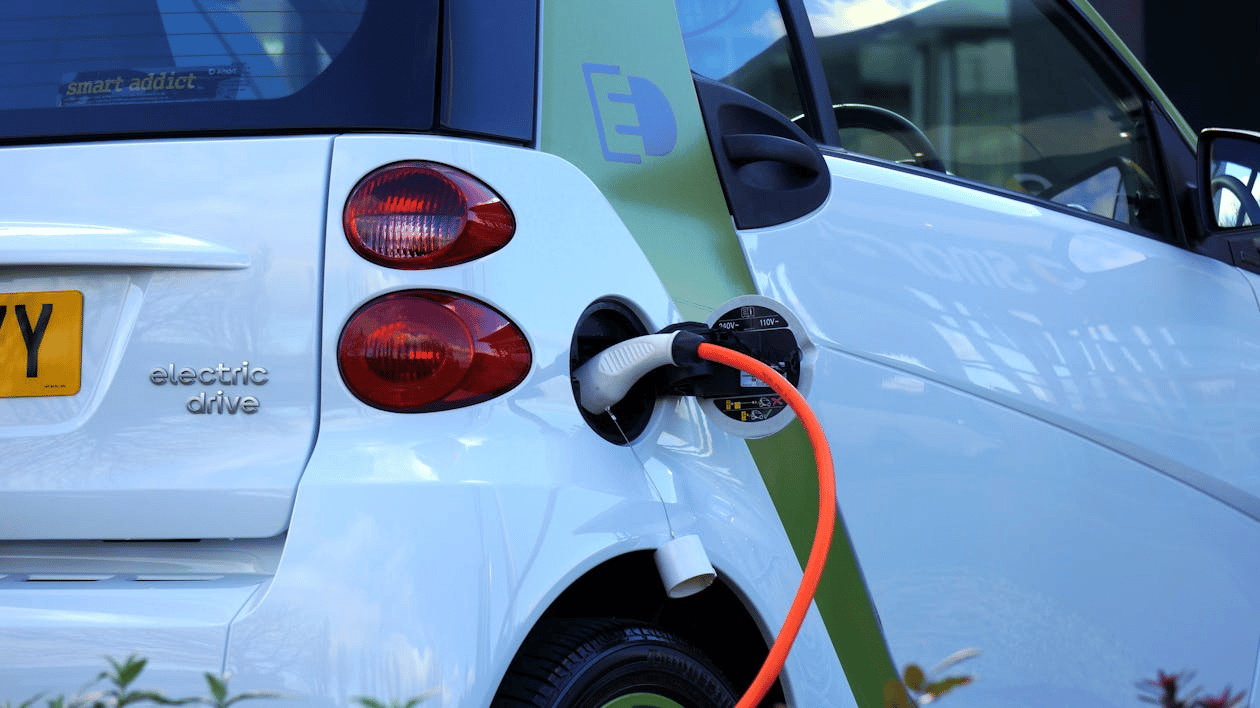
New research released this week from the University of Exeter revealed that the electric vehicle revolution is now unstoppable, and everywhere but the US has reached a tipping point away from internal combustion engines. In 2025, EVs accounted for a quarter of new car sales, and momentum has continued into the first quarter of 2026, despite a slowdown in China following the end of subsidies.
Other recent research from UBS predicts that EVs and plug-in hybrids will account for 58% of new cars by 2035, up from 23% today. Fiona Howarth, founder of UK-based Octopus Electric Vehicles, said that with longer ranges, falling prices, and lower operating costs, buyer behavior for EVs is changing “in a way that’s hard to unwind, which are early signs of a market crossing a tipping point.” And as they come down the cost curve, we could see adoption accelerate even in the US.
The views expressed on this website/weblog are mine alone and do not necessarily reflect the views of my employer.
Other Notable News:
Sustainability Reporting
Energy Transition
Sustainability Standards
Deforestation
Notable Podcasts:
In this week’s Two Steps Forward podcast from Joel Makower and Solitaire Townsend, they explore the new in-vogue sustainability term “resilience.” They argue that this resilience is not a rebrand. Sustainability has always been about resilience.
In this week’s edition of the Outrage and Optimism podcast, the team looks at the First Conference on the Transition Away from Fossil Fuels. As more than 50 countries descend on Colombia for this inaugural conference, the question is what structural issues are still stalling the energy transition.