


What’s in this week’s newsletter:
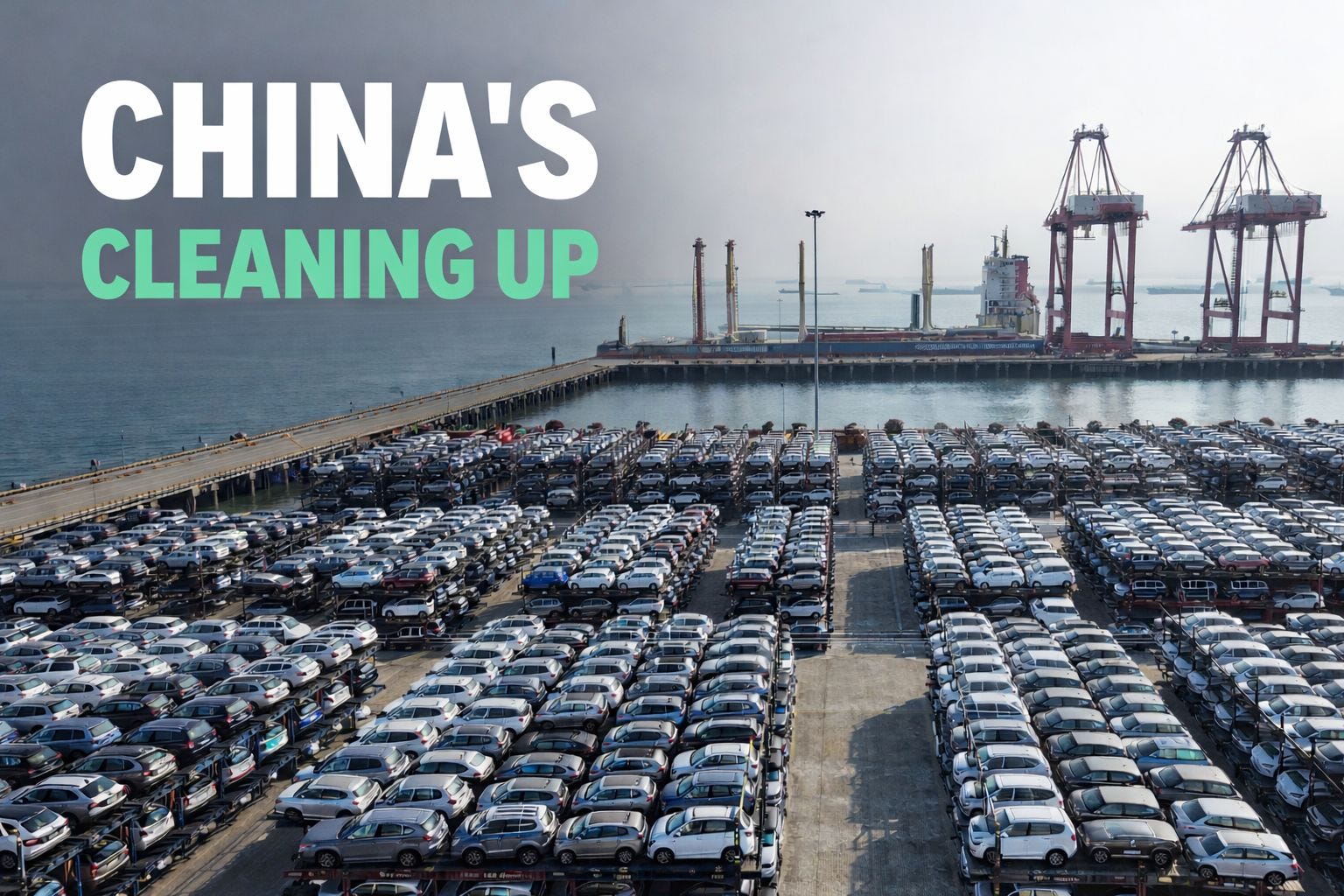
China's EV and solar surge post-Iran war
Greenhouse Gas Protocol floats updates on the Scope 3 standard
The US budget contains even more climate cuts
Swiss follow Europe’s lead in simplifying sustainability policies
A scary super El Niño is on the way
It feels like it’s China’s world and we are all living in it right now, but thankfully, that world looks cleaner.
The two-week ceasefire declared this week caused oil prices to plummet, however, the energy shock from the Iran war will reverberate through the global economy for some time to come.
In the most affected nations, especially in Asia, energy rationing has been the norm for weeks, forcing a complete rethink of energy security and accelerating their transition to renewable energy. In Cuba, still reeling from a US-imposed energy blockade, they have turned to Chinese solar imports to alleviate pressure on their grid - aiming to nearly triple the number of solar parks by 2028.
Increased gas prices have also strengthened the case for EVs. In the US, despite new EV sales dropping by more than a quarter since Trump withdrew the tax credit, used EV sales have risen by 12% this quarter compared to Q1 last year. While the US has “hermetically sealed” itself from Chinese EVs, the UK (along with almost every other market) has embraced them and has seen sales hit record highs amid skyrocketing gas prices.
All of this is benefiting China, which has been preparing for this type of geopolitical energy shock for decades. China’s largest EV maker BYD saw exports increase 65% in March this year compared to last year, and its biggest battery manufacturer CATL saw its shares jump 29.5%.
China is also improving transparency. In just a few short weeks, China’s three largest stock exchanges will become the largest exchanges to have a sustainability reporting mandate. By April 30th, more than 450 of China’s largest publicly traded companies will begin reporting sustainability data. They are also vying to capitalize on the US retreat from multilateral environmental action by becoming the first Asia-Pacific nation to host a UN body: the UN High Seas Treaty, which aims to protect 30% of the world’s oceans by 2030. China is offering streamlined visas for delegates and $70 million in investment for the project.
We may look back on the Iran war as an inflection point toward an electrified, low-carbon economy largely powered by Chinese cleantech.
2. GHG Protocol Scope 3 Update
As regulations, like California’s climate rule, begin to mandate the disclosure of complex Scope 3 – value chain emissions, the Greenhouse Protocol (GHGP) is in the midst of updating them. As part of their broader goal of refreshing their almost 30-year-old corporate emissions standard, they recently released their first progress update for their Scope 3 Standard.
The updates, which will be done in cooperation with the ISO, focus on three main areas:
The quality of data: including the emissions factors to use, the level of verification, and tiered data quality to improve transparency and accuracy.
Expansion of boundaries: requiring reporters to accurately report at least 95%, while using estimates to quantify 100% of Scope 3 to verify that any exclusions do not exceed the 5% threshold.
Changes to category 15 - (investment): updating the calculation methodology to align with the Partnerships on Carbon Accounting Financial (PCAF) guidance, and creating a new optional category (category 16) for “insured emissions.”
This document provides the direction of travel on the updates to the new Scope 3 guidance, but is subject to change before the final release of a draft and a subsequent public consultation period later in the year.
3. Trump’s Budget Cuts Climate Spending Further
In its first budget, the Trump Administration slashed dozens of sustainability and climate programs. While some, like the Energy Star program, were rescued due to bipartisan support, many were eliminated. In the second budget released last Friday, the cuts to climate programs went further still.
The biggest change in this year's 92-page budget is an unprecedented 44% increase in military spending to $1.5 trillion. To cover the increased spend, the administration will:
Cut the already crippled Environmental Protection Agency budget in half.
Cancel “green new scam” funding in the Infrastructure Investment and Jobs Act
Reduce funding for specific energy efficiency and renewable energy programs
Eliminate funding for climate change and “green new scam” research
There are dozens more, which, all told, add up to at least $30 billion in cuts to social, environmental, disaster recovery, and clean energy programs. Maya MacGuineas, president of the Committee for a Responsible Federal Budget, said the budget was “unserious,” adding, “This budget is not only two months late, but it is also light on details and heavy on borrowing.”
4. Swiss Align with the EU Simplification

The Swiss Government this week announced new rules almost verbatim with Europe’s simplified Corporate Sustainability Due Diligence Directive (CS3D) and Corporate Sustainability Reporting Directive (CSRD). The Swiss Corporate Sustainability Act updates Swiss rules to align with the scope and requirements of the EU rules following the Omnibus simplifications.
These updates reduce the number of Swiss companies that have to report on sustainability from 230 to 100, and the number of companies that conduct due diligence to 30.
5. A Super El Niño
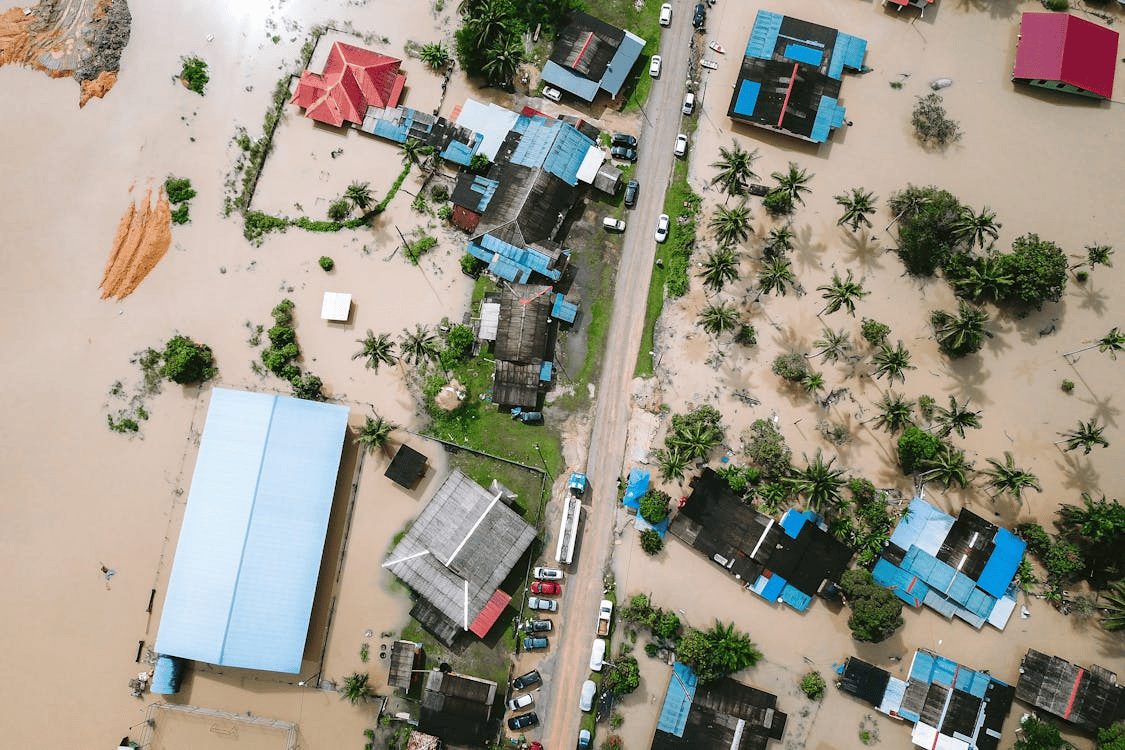
With all the geopolitics, climate backlash, and shifting standards and regulations, it’s easy to forget about the quickly encroaching climate crisis. Then a story or event brings it back into focus. This week, chatter of a super El Niño that could be “perhaps the strongest yet,” did just that.
Following a report this week showing that non-survivable heat waves are on the rise, news of a super El Niño, characterized by temperatures more than 2°C above average (a typical El Niño is just a 0.5°C average temperature rise), means 2026 will see climate risks similar and likely worse than the last one with extreme temperatures, widespread flooding, and crop loss.
The views expressed on this website/weblog are mine alone and do not necessarily reflect the views of my employer.
Other Notable News:
Sustainability Standards
Climate Litigation
Energy Transition
Trump 2.0
COP 33
Notable Podcasts:
In this week’s edition of the Two Steps Forward podcast from Solitaire Townsend and Joel Makower, they look at the role of insurance in sustainability. They speak with Linda Freiner, Group Chief Sustainability Officer at Zurich Insurance Group, on just how important insurance is in the global economy and how sustainability-related risks are straining the model.
In this week’s Outrage and Optimism, the team explores the implications of the forecasted Super El Niño. They talk to Andrew Kruczkiewicz from the Red Cross to discuss how we square the circle of shrinking budgets and accelerating climate risks.