
California’s Scope 3 Trilemma



What’s in this week’s newsletter:
CARB considers three options for managing Scope 3 emissions
EFRAG encourages feedback for a voluntary reporting standard
US sustainability reporting falls
The biggest energy shock of all time
US wind energy project shuttered by the Trump Administration
Last month, the California Air Resources Board (CARB) unanimously voted to finalize its rulemaking for the state’s corporate climate reporting rules. This month, during another 2-hour marathon public workshop, the board provided more clarity on this year's emissions reporting rules and shared some new insights into Scope 3 – value chain - emissions reporting, which starts next year.
CARB confirmed its guidance and timeline for Scope 1 and 2 emission reporting with an August 10, 2026, deadline. Adding to this guidance, CARB said it will consider time extensions according to new guidelines to be released shortly.
The bigger change was when CARB introduced three potential options for Scope 3 emissions reporting:
Broad applicability: Require all reporting entities to report all of their Scope 3 emissions exceeding a de minimis threshold.
Sector phase-in: Phase-in Scope 3 reporting by sector, beginning with the heavy emitters such as transportation and industrial.
Category phase-in: Phase-in Scope 3 reporting across categories of emissions, starting with the five most reported - business travel and purchased goods.
CARB also proposed allowing flexibility in carbon accounting methods under the Greenhouse Gas Protocol (GHGP), including spend-based (based on the costs of goods and services), activity-based (based on activities, such as miles traveled), supplier-specific (based on primary supplier data), or a hybrid approach.
CARB shared some estimated compliance costs of the three options. Under the most comprehensive approach, reporting companies could expect to pay around $190K in the first year, falling to roughly $120K in later years. You can see a more in-depth cost analysis of the Scope 3 reporting options here. The comment period for these proposals closes on April 12th.
The vibe from these public workshops is that 2026 will be a transition year. Companies are encouraged to disclose their “best efforts” while the system matures. The maturity curve will continue in 2027 with limited assurance required for Scope 1 and 2 reporting and some form of Scope 3 reporting.
2. EFRAG Asks for Feedback on Voluntary Standard

On the other side of the pond, Europe’s Financial Reporting Advisory Group (EFRAG) opened engagement for the creation of a new voluntary sustainability reporting standard for larger companies (between 250 and 1,000 employees).
The request comes as many large companies that fell out of the scope of the EU’s Corporate Sustainability Reporting Directive (CSRD) still want to report. The current voluntary standard was designed for smaller companies, so EFRAG launched this effort to help the larger companies that were dropped from the CSRD scope under the Omnibus continue to report.
EFRAG is seeking applications from non-CSRD companies with fewer than 1,000 employees or annual revenue of less than €450 million, as well as from stakeholders, including auditors, business associations, investors, and other users of sustainability information. Interested parties can reach out by April 20th here.
3. A Blip in US Sustainability Reporting

Last week, we shared that “Sustainability Reporting Isn’t Going Away.” While our reporting last week is true in Europe and globally, a new report from The Conference Board found that fewer US public companies reported in 2025 than in 2024.
The report revealed that 17% fewer companies in the Russell 3000 reported last year than in 2024, and 4% fewer in the S&P 500. This bucks a long term trend of consistent growth in the number of public US companies reporting. An article from Trellis explains the drop as a result of waning investor pressure and the growing legal risks of reporting. This reversal may prove to be an anomaly, as it does not reflect California's new climate disclosure rules, which take effect this year.
4. The Greatest Threat to Global Energy In History
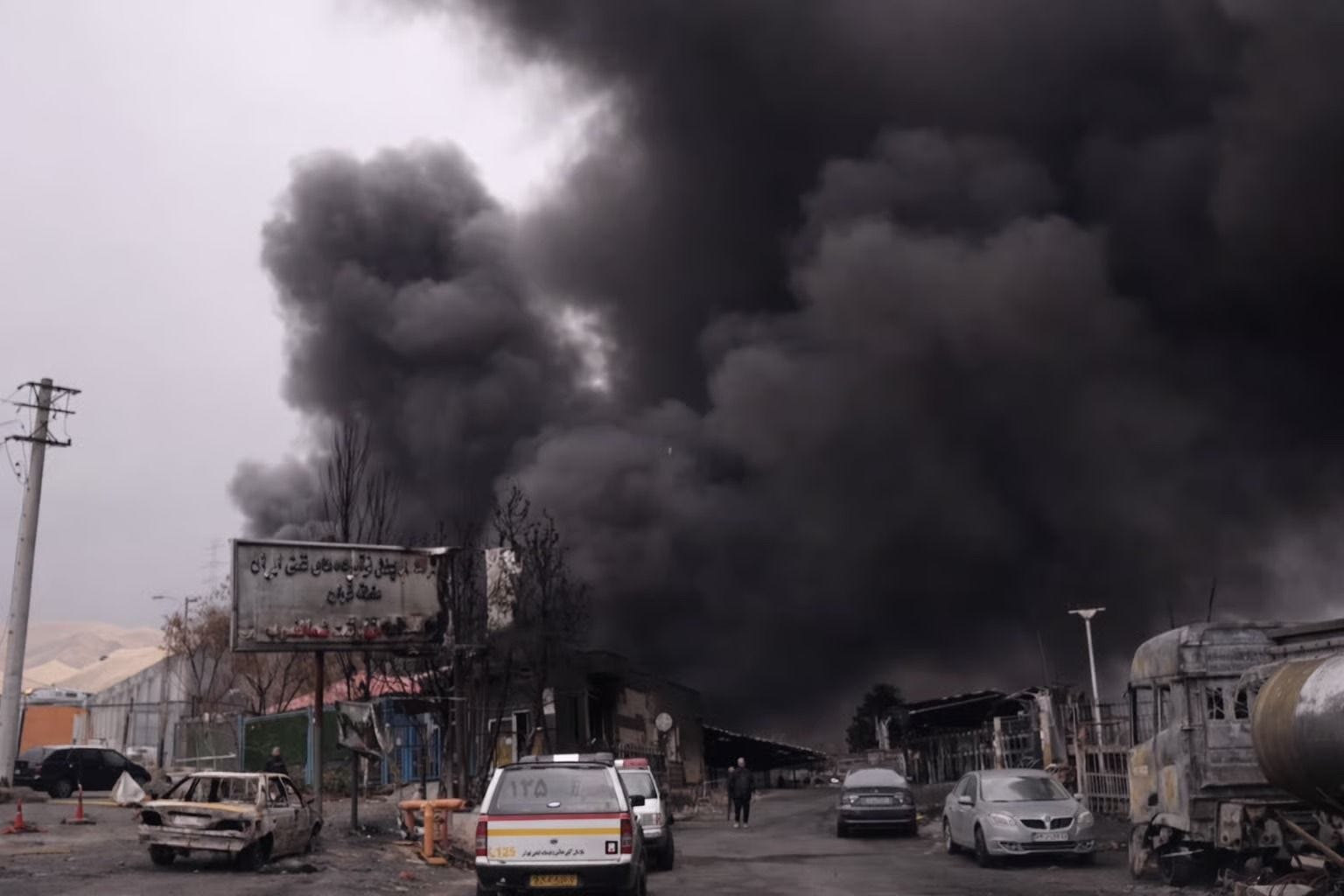
Following President Trump's promise of ceasefire talks this week, oil and gas prices dipped, only to creep back up as the war continued. The important Strait of Hormuz remains closed, energy infrastructure across the Middle East remains a potential target, and damaged energy facilities could take months or years to recover.
All of which led International Energy Agency (IEA) Chief Executive Fatih Birol to call it “the greatest global energy security threat in history.” He also claimed that the markets and politicians have failed so far to realize the gravity of the situation, saying, “People understand that this is a major challenge, but I am not sure that the depth and the consequences of the situation are well understood.” While energy supplies are constrained, the IEA recommends reducing demand by flying less, driving more slowly, and working from home.
As nations seek to boost their domestic energy production, renewables and battery companies are growing at record rates. Since the war began, China’s three largest battery companies have increased their market caps by $70bn. However, rising oil and gas prices have also increased coal use in Asia, where it can be produced domestically and cost-effectively in many markets. Plus, oil and gas-producing states, like Canada, are now looking to expand their production to cash in, and Europe is reconsidering a moratorium on Arctic oil and gas drilling.
5. US Pays to Block New Wind Energy
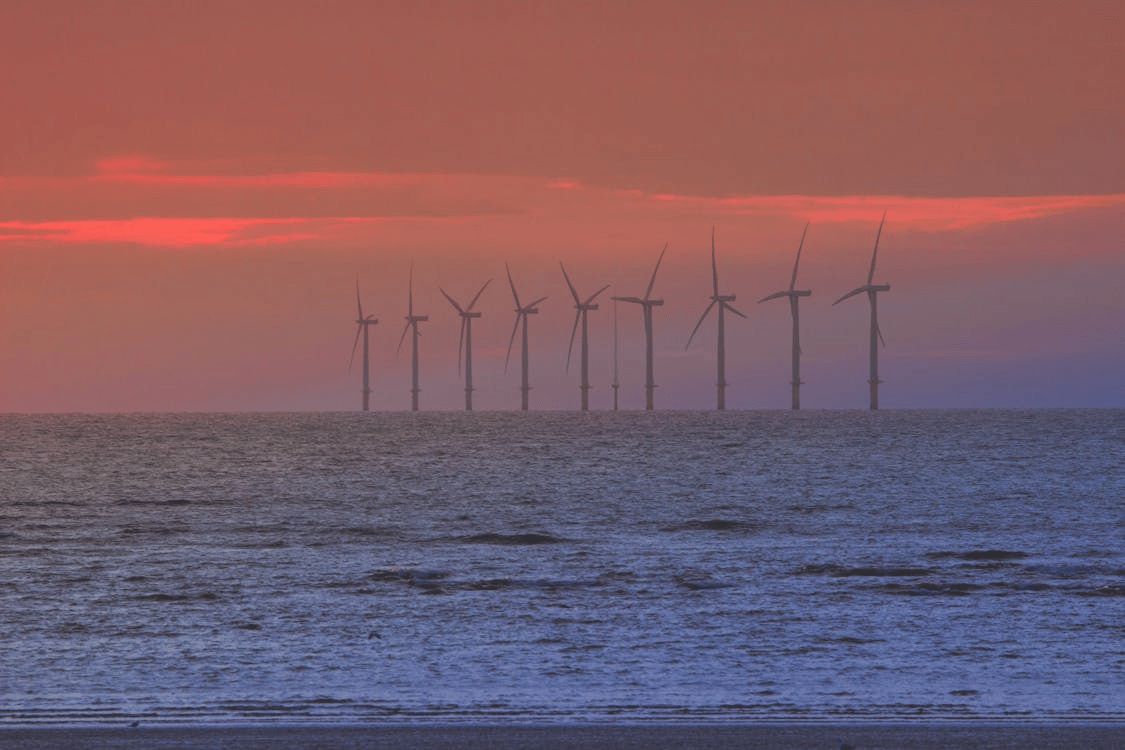
The Trump Administration paid French energy company TotalEnergies $928M to give up its two offshore wind leases. In its deal with the Administration, Total pledged not to develop any new offshore wind projects and to invest in its gas projects in Texas.
In contrast to this pullback, Orsted’s Revolution Wind project off the coast of Rhode Island and Dominion Energy’s Coastal Virginia Offshore Wind Farm both began sending energy to the electricity grid. These wind power projects enjoy bipartisan support because they reduce costs and improve energy security.
“This project is not just about energy — it’s about national security,” said US Representative Jen Kiggans, (R-Virginia), “Reliable, domestically produced power strengthens the resilience of critical military infrastructure, including our local bases, ensuring our forces can operate without disruption.“
The views expressed on this website/weblog are mine alone and do not necessarily reflect the views of my employer.
Other Notable News:
Climate Litigation
Sustainability Assurance
Corporate Action
SBTi
Global Weirding
Energy Transition
Notable Podcasts:
In this week’s edition of Ezra Klein’s NYT podcast, he examines the worst-case energy scenario that could come out of the war in Iran. He speaks with energy policy analyst Jason Bordoff to go over the range of potential scenarios if the war continues.
This week’s Outrage and Optimism podcast also looks at the Iran war, focusing on how it exposes the instability of the fossil fuel-based economy. They’re joined by Bruce Douglas, CEO of the Global Renewables Alliance, who argues that governments face a fork in the road to find more domestic or secure fossil fuel sources or embrace renewables.