
Climate Action Moves Beyond Targets


What’s in this week’s newsletter:
Climate action moves beyond targets
EV adoption accelerates
Geothermal has its IPO moment
Shareholder power struggle over climate action
The worst-case climate scenario improved!
If you value independent sustainability reporting and analysis, you can support Sustainability Simplified through an optional Substack pledge. Subscribe or support here.
In recent months, some companies, states, and nations have scaled back their climate targets, policies, and funding. In the last week:
New York extended the effective date for its climate law to 2028. The interim goal of 40% reduction by 2030 was replaced with a 60% by 2040 goal. The move was taken in a state budgeting agreement after Governor Kathy Hochul called the 2019 Climate Law “costly and unattainable.”
The UK halved its funding for the UN’s Climate Fund, adding to the $4 billion funding gap after the US withdrew its funding last year. This fund was meant to help the developing world with energy efficiency and transition to low-carbon sources.
Canada’s government signed a deal with the oil-rich province of Alberta on initiating a carbon price in exchange for approving an oil and gas pipeline. The deal did not sit well with some; Climate Action Network issued a statement alleging that Canada’s Prime Minister Mark Carney “was once one of the world’s most prominent climate champions, who has effectively destroyed Canada’s chances of reaching its climate targets.”
Five years ago, these stories may have felt like a death knell for climate action. But in today’s world, broader economic trends are the main driver of climate action, not targets. Climate targets are not disappearing, but they are becoming less central to the story.
Bloomberg NEF’s 2026 Future Energy Report, released this week, revealed that countries decoupling from fossil fuel imports due to recurring oil and gas crises is now the biggest accelerant for renewables, and that low-cost, abundant solar panels will make solar the largest single source of energy in the next 6 years.
From a corporate standpoint, most companies are continuing with their climate action programs due to the business benefits. PwC’s annual decarbonization report last month found that 82% of companies will maintain or accelerate their decarbonization efforts, primarily because of the business value.
CEO of the Science Based Target Initiative, David Kennedy, in an op-ed this week, said, “Targets are like a map that shows the route but does not get us to the destination,” adding that the companies that win in the net zero transition “will not be those with the most ambitious targets, but those that embed climate considerations into the core of how they compete and grow.”
All of this is not to say that climate targets are unimportant or unnecessary. It’s more that climate action is increasingly driven by energy security, affordability, and competitive advantages.
2. EV Adoption Accelerating

The International Energy Agency’s “Global EV Outlook 2026” report revealed rapid growth in the EV market. EVs made up 20% of new car sales in 2025, but, driven by the oil crisis, that number is set to jump to 28% this year. Countries most impacted by oil and gas imports in Europe and Southeast Asia will see the most rapid growth. Even with no new policies, there could be more than half a billion EVs on the road by 2035.
Also driven by high fuel prices, the world’s largest battery-powered motorcycle company, Chinese company Yadea, increased exports by 70% this year and is looking to expand into Europe, the UK, and Central America.
3. Geothermal Taking Off

As solar and gas companies struggle with labor and equipment shortages, could geothermal be the renewable energy source to meet rising demand? The recent Initial Public Offering (IPO) of geothermal company, Fervo - the largest-ever clean-tech IPO valued at $10 billion - would suggest yes.
The potential is huge. Geothermal is one of the few renewables that is not intermittent, and the International Energy Agency estimates that geothermal could provide 15% of global energy by 2050. However, the technology still faces many challenges in meeting the growing demand. Currently, there is only one commercial-scale plant, and the cost is not yet competitive with energy from solar and gas.
4. Shareholder Power Struggle

Shareholders’ rights to push for more climate action in proxy voting have been a recurring flashpoint. This week, there were moves from powerful activist shareholders to influence oil and gas firms. Allianz Global Investors supported a proposal from New York’s comptroller advocating a shareholder-friendly voting system for Exxon investors. Also, investors in big tech companies are asking how they can reconcile AI data centers with climate policies.
Exxon is also currently in a battle with proxy advisers over its proposed move to Texas. In response, Texas Attorney General Ken Paxton has sued the world’s largest proxy voting company, Institutional Shareholder Services, Inc. (“ISS”), for what he calls: “radical political agendas over sound financial principles and fiduciary duty.”
5. Climate Predictions Improve(!)
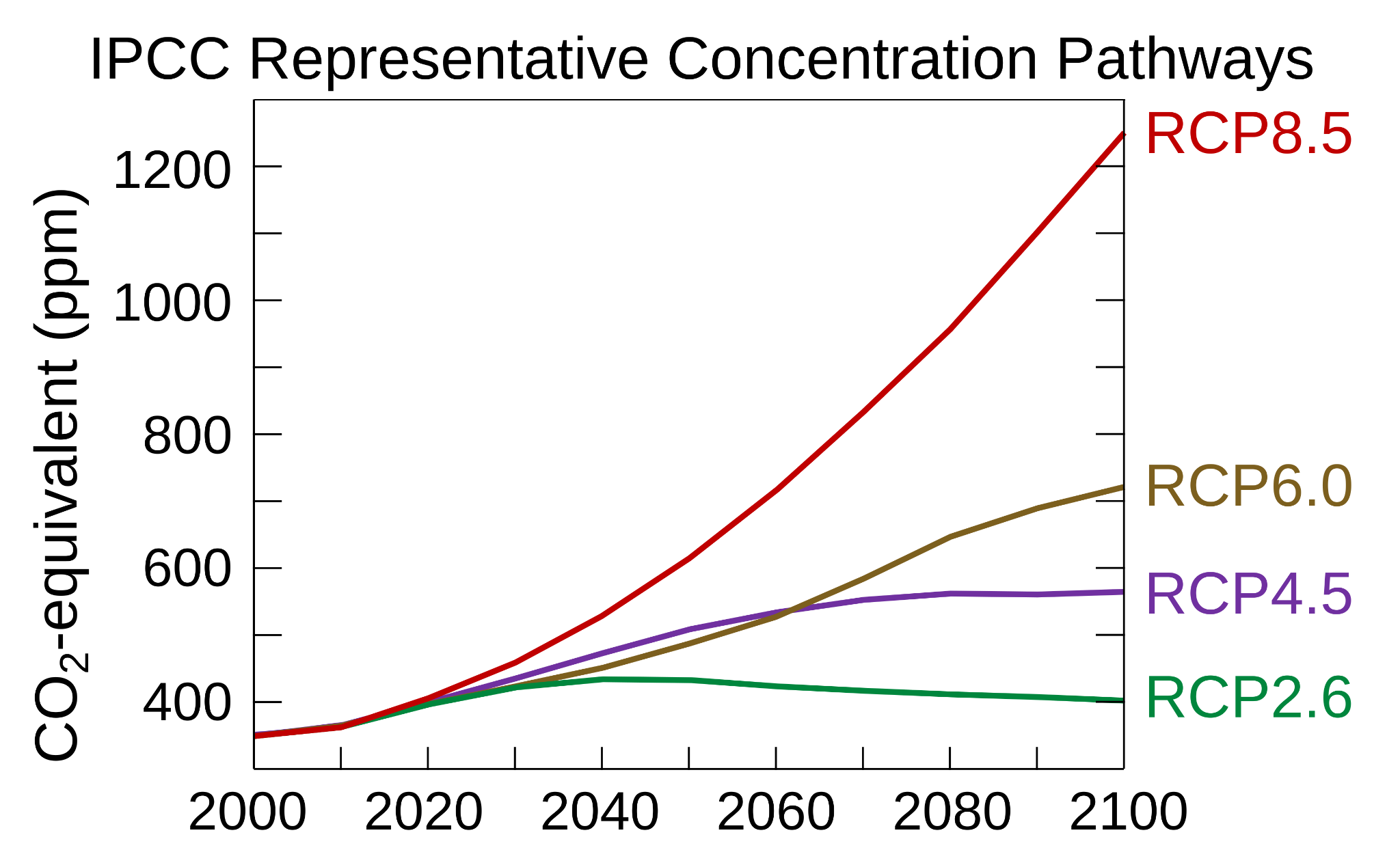
Scientists are reconsidering their most severe warming scenario, RCP 8.5 (Representative Concentration Pathway 8.5), after a paper found it was now “implausible.” The RCP 8.5 model would mean carbon concentrations of greater than 900 parts per million, more than double today’s concentration, and a global average temperature rise of 4.5°C. However, due to the rapid increase in clean tech adoption, the worst-case scenario has been softened.
This rare case of good climate news was pounced upon by US President Donald Trump, who falsely claimed that climate scientists have admitted they were “WRONG” about climate change. Adding that “For far too long, Climate Activism has been used by Dumocrats to scare Americans, push horrible Energy Policies, and fund BILLIONS into their bogus research programs.” Carbon Brief does a great job of explaining what these climate scenarios are and how Trump’s claims are inaccurate.
The views expressed on this website/weblog are mine alone and do not necessarily reflect the views of my employer.
Other Notable News:
Sustainability Reporting
DEI
Climate Targets
Carbon Offsets
Trump 2.0
Notable Podcasts:
In this week’s edition of Bloomberg’s Zero: The Climate Race podcast, host Akshat Rathi interviews the Deputy Leader of the UK Reform Party. Reform is currently leading in the polls and promises to reverse all of the UK’s climate policies. Things get heated when the subject of climate science comes up.
In this week’s The Climate Rising podcast, they explored how AI and satellite technologies are improving climate solutions. It features an interview with BCG X Managing Director and Partner David Potere, who explains how BCG X is using satellite data, AI models, and real-time sensing systems to improve decision-making in decarbonization, agriculture, and energy.