
🟢 California Makes Climate Reporting Real
First climate emissions reports due in November



What’s in this week’s newsletter:
California reveals its emissions reporting requirements
Why sustainability reporting makes business sense
Trump attacks wildfire preparedness
The EU retreats on emissions rules
Britain’s new prime minister forming a climate agenda
Help us meet our donation goal and keep Sustainability Simplified sponsor- and paywall-free for all.
The California Air Resources Board (CARB) held a workshop this week and confirmed that large companies doing business in California must report on their emissions starting November 10, 2026 (a slight delay from the original date of August 10).
The first reporting year will be flexible: Companies can submit their Scope 1 and 2 emissions (emissions from owned facilities and purchased energy, respectively) based on information they had in place at the time of a December 2024 enforcement notice. They will not be required to create or collect entirely new data solely to comply in 2026. 2027 is when the rubber really hits the road.
Under the California Air Resources Board’s (CARB) 2027 proposals, companies would be required to report their Scope 1 and 2 emissions and obtain limited third-party assurance under several assurance standards such as International Standard on Sustainability Assurance 5000 and ISO 14064-3:2019.
Scope 3 (emissions from the value-chain) reporting would also begin in 2027. Because these emissions usually represent the majority of a company’s footprint and are often the most difficult to calculate, commenters have raised significant challenges. To address these concerns, CARB proposed limiting Scope 3 reporting to the five of the most commonly reported categories (Purchased goods and services, Fuel- and energy-related activities, Waste generated in operations, Business travel, and Employee commuting). Companies could voluntarily report the other ten categories. However, CARB has not yet set a date for when, or whether, all 15 categories will become mandatory.
CARB said its objective was to align with the GHGP carbon accounting standards (my employer) wherever possible to ensure interoperability. CARB will require companies to disclose the methodologies used, organizational boundaries, missing data, and uncertainty. Companies would also have to explain if changes to their methods or data alter base-year emissions by more than 5%.
Interestingly, around a third of the nearly 30 questions during the workshop related to how CARB plans to apply the GHG Protocol. The main themes included how CARB will respond to future revisions of GHG Protocol standards, the treatment of biogenic emissions, Scope 2 accounting, and the flexibility companies will receive when calculating Scope 3 emissions.
CARB is proposing November 10 as the recurring annual reporting deadline from 2026 onward, although that date remains open to feedback. Further details about the submission process for the initial 2026 reports, including guidance and an optional online intake form, are expected by September 1st.
2. The Benefits of Sustainability Reporting

One thing CARB did in this most recent workshop above was talk extensively about the costs of climate reporting. While they acknowledged the costs can be high, especially in the first year, they also highlighted the measurable business benefits, including improved supply chain management, greater investor confidence, and higher-quality decision-making.
The evidence of the business benefits of reporting was also shared by the European Financial Reporting Advisory Group (EFRAG), which found in its 2026 State of Play Report that after two years of mandatory sustainability reporting in Europe, reports are becoming shorter, more integrated into business strategy, and increasingly linked to executive pay.
There is also a growing body of research suggesting the benefits are broad and impact a wide number of stakeholders. A recent Project ROI report found that companies that were more candid in their sustainability reports, sharing both wins and losses, benefited from higher stock prices. And a journal article released last month looking at how sustainability reporting through the International Sustainability Standards Board (ISSB) standards can improve financial analysis found that climate disclosures could be linked directly to financial data to help investors refine forecasts, assess risk, and improve company valuations.
3. Trump Targets Wildfires
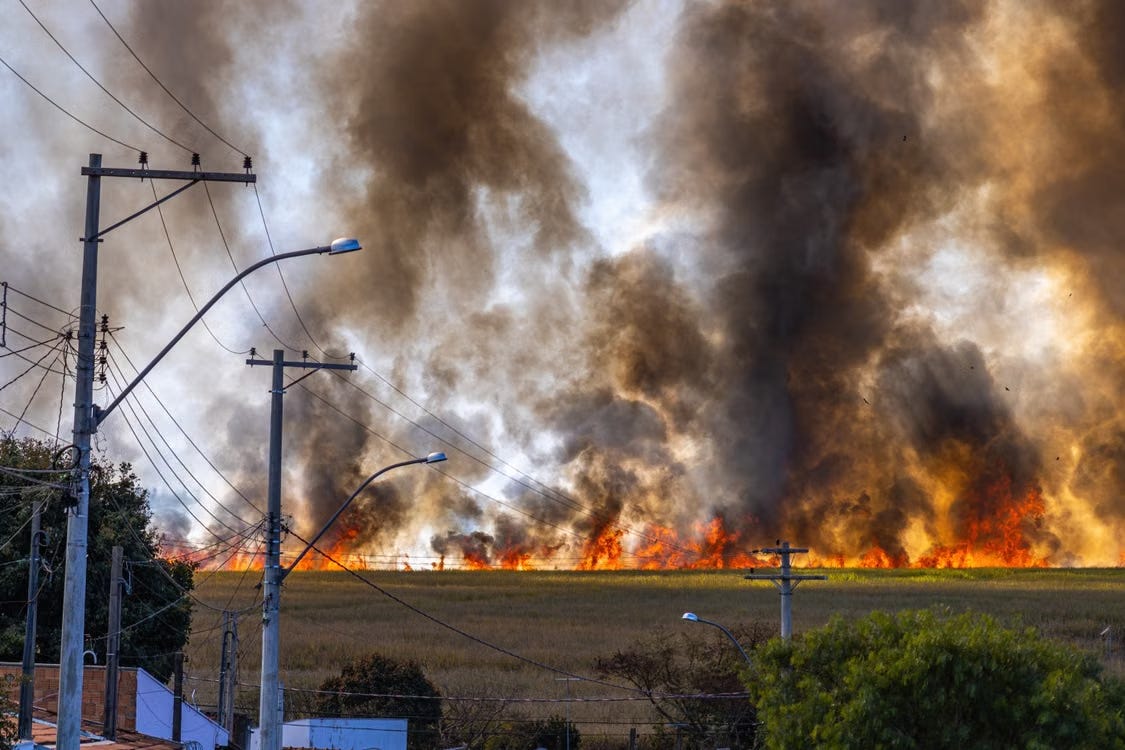
As the smoke cleared from the Canadian wildfires, the Trump Administration accused Canada of improper wildfire and forestry management and threatened additional tariffs on top of the unrelated 50% tariff also lodged this week. While Trump blames Canada for the fires, a group of scientists from both countries blames climate change.
Trump’s Canada complaint comes as the US is struggling with its own wildfires in the Pacific Northwest. Recent funding cuts “mean there is likely to be less organized and strategic research to address threats from wildfire smoke,” said Bryan Hubbell of Resources for the Future
4. EU Weakens Emissions Rules Under Pressure
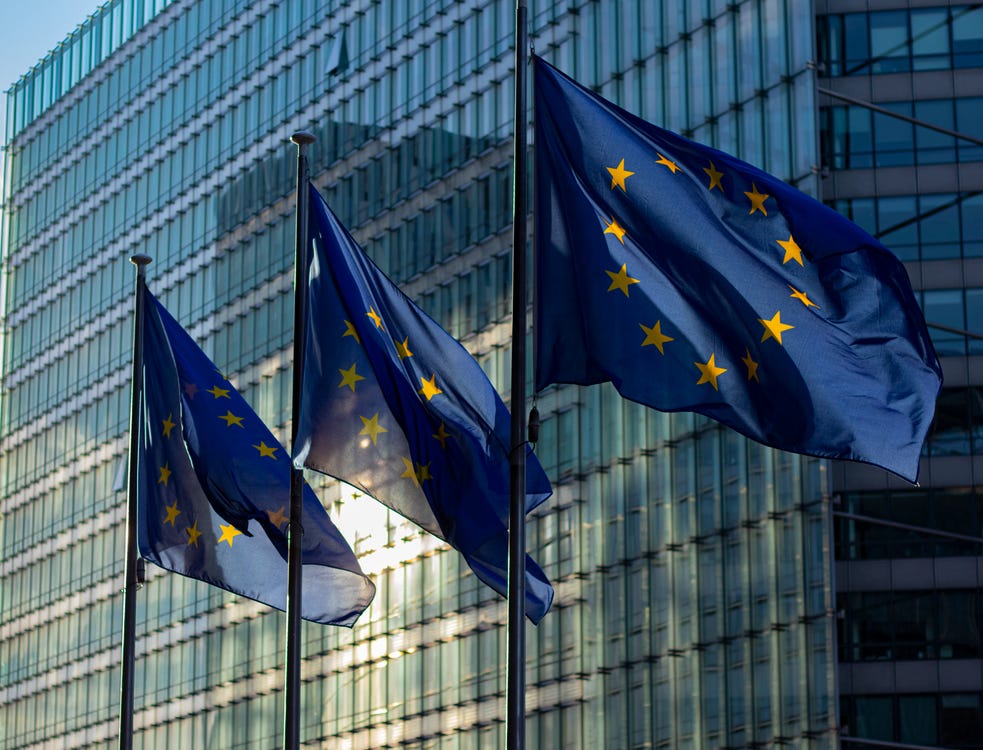
Pressure from the Trump Administration was partly behind Europe’s three-year pause in fines on energy companies that import methane-related fuels into the bloc. The methane rule would have begun applying from next year and would have meant fines of up to 20% of revenue for any company that cannot show they are monitoring, reporting, and mitigating methane leaks and flares.
Another reason the penalties were delayed was due to the Iran oil and gas shock. This was also the reason Europe is reforming its Emissions Trading System (ETS). Under the proposals released on Friday, allowances that permit heavy industries to continue emitting carbon will be extended nine years from 2039-2048, and some of the income Europe generates from the ETS will be returned to the companies to invest in cleaning up their operations.
European energy commissioner Dan Jørgensen also announced on Friday a goal to double the EU’s electrification rate to 46% by 2040. The Electrification Action Plan aims to lower the cost of electricity, improve grid connections, and reduce electricity-linked taxes to meet the goal, which would save member states €260 billion in fossil fuel imports per year
5. New UK PM Forming Climate Agenda

UK’s New Prime Minister Andy Burnham Enters 10 Downing Street
The United Kingdom brought in its sixth Prime Minister in 10 years this week. New PM Andy Burnham, the former Mayor of Manchester, takes over at a pivotal moment for climate action in the UK with rising energy costs, unprecedented heatwaves, and a growing distaste for net zero policies.
Given that climate is a political hot potato in the UK right now, Burnham has focused early policies on the cost of living and growth. As part of his growth manifesto, he said he planned to take a more “pragmatic approach” to drilling in the North Sea (much to the delight of US President Donald Trump). However, he has also pledged to bring utilities and elements of public transport back under public control, and his cabinet appointments indicate there will be a continuation of the energy transition and that climate diplomacy will be essential to foreign affairs.
The views expressed on this website/weblog are mine alone and do not necessarily reflect the views of my employer.
Other Notable News:
Climate Risks
Energy Transition
Nature Positive:
Global Weirding
Greenwashing
Notable Podcasts:
I was featured this week on the Navigating Net Zero podcast with Alexia Kelly. Together we discussed the evolving landscape of carbon accounting, and why the shift is necessary as carbon reporting moves from a voluntary to mandatory exercise.
The most recent edition of The Two Steps Forward episode with Joel Makower and Solitaire Townsend features an interview with climate scientist Katharine Hayhoe. The conversation focused on why hope beats doom in climate strategies.
In this week’s edition of Bloomberg’s Zero the Climate Race podcast, host Akshat Rathi asks whether dropping net zero could help win the climate argument. He talks to Dale Vince, founder of Ecotricity, asking if the new UK Government will have to abandon net zero to reduce energy prices.